
Ed3 Weekly Issue #203: Everything's Upside Down
From flipped classrooms to flipped infrastructure.
Hello blockchain enthusiasts,
You’ve probably heard the term “flipped classroom.” This is when direct instruction happens outside the classroom by readings and videos, and practice and application happen in the classroom.
But we might be on the verge of witnessing a much different flipping. We are flipping the infrastructure of trust.
In this week’s issue, I share some resources where the “users” of our financial and educational systems might not even be human, where central banks are playing in the sandboxes of decentralization, and where students in Chicago are developing blockchain literacy.
Educators have. spent centuries as the “trusted intermediaries.” We’ve been the gatekeepers of credentials and arbiters of truth. But as AI agents begin to navigate the blockchain to execute transactions and verify identities, it makes me wonder what the role of a teacher is in an autonomous economy.
In a world where stablecoins provide more financial stability than local currencies, and smart contracts automate the “paperwork” to some degree, it feels like we are on the verge of a monumental transition.
So the title of the issue this week is “Everything’s Upside Down.” It reflects a world in which the foundation is shifting from “trust me” to “verify me.”
But the future isn’t just teaching kids how to use wallets. It is about teaching them how to navigate a world where sovereignty is the default and agency is the currency.
Enjoy the following resources for this week:
Chicago students dive into blockchain technology at hands-on camp
Bank of Japan to test blockchain-based reserve settlement: Governor Ueda
AI agents will be primary users of blockchain, NEAR co-founder says
✅ Like and share our posts to help spread the word.
💬 Drop a comment—I’d love to hear your thoughts!
📩 Follow us on social media to stay updated on all things Ed3 Weekly.
Your engagement helps grow this community and bring these ideas to more educators and innovators.
📚 Education + Society
Chicago students dive into blockchain technology at hands-on camp
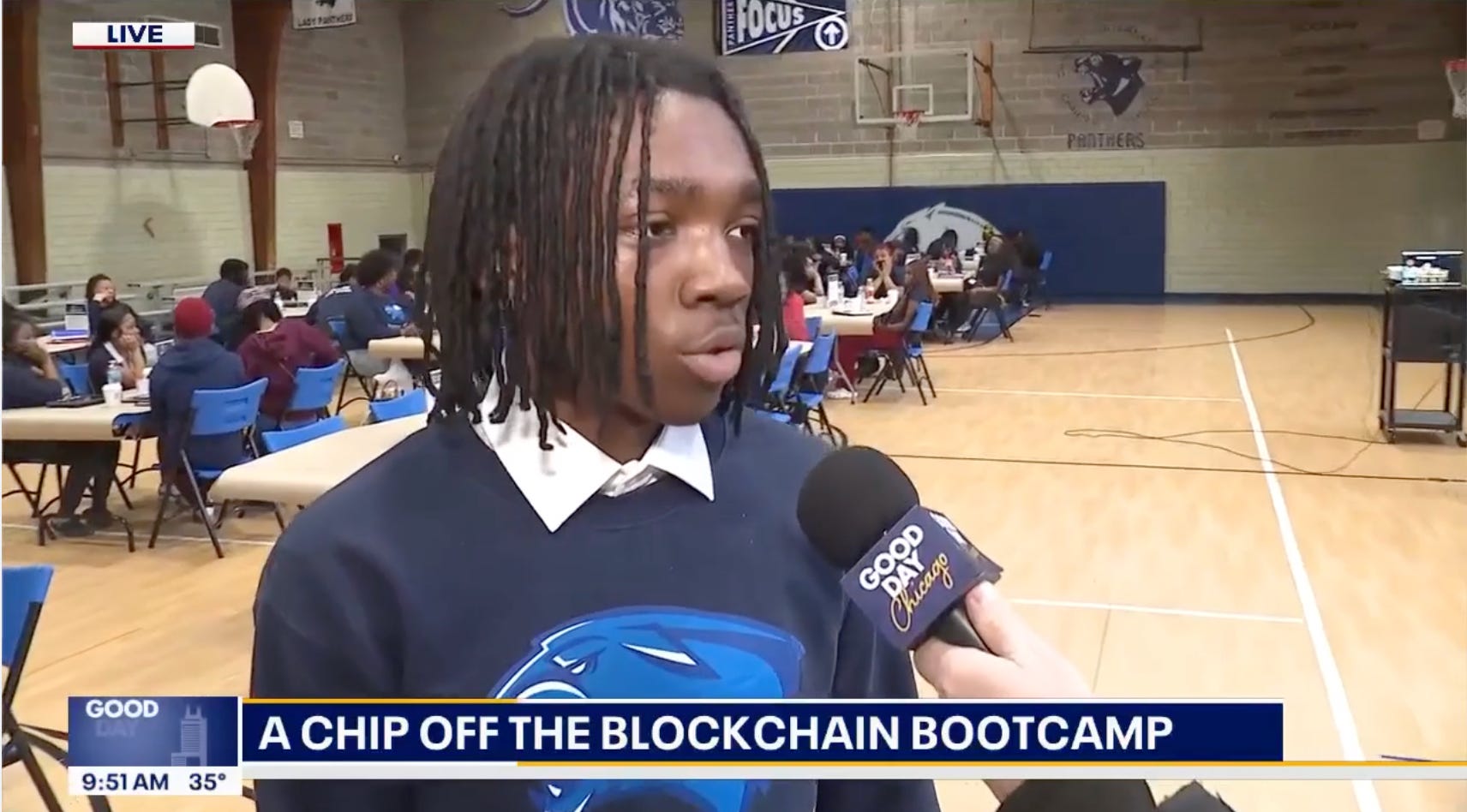
🔗 At an innovative tech camp, Chicago students are learning how blockchain works and how it supports cryptocurrency. Read
📊 Markets + News
Bank of Japan to test blockchain-based reserve settlement: Governor Ueda
🔗 Bank of Japan Governor Kazuo Ueda said it plans to test whether central bank money can operate in blockchain-based systems. Read
📈 Trends + Innovation
AI agents will be primary users of blockchain, NEAR co-founder says
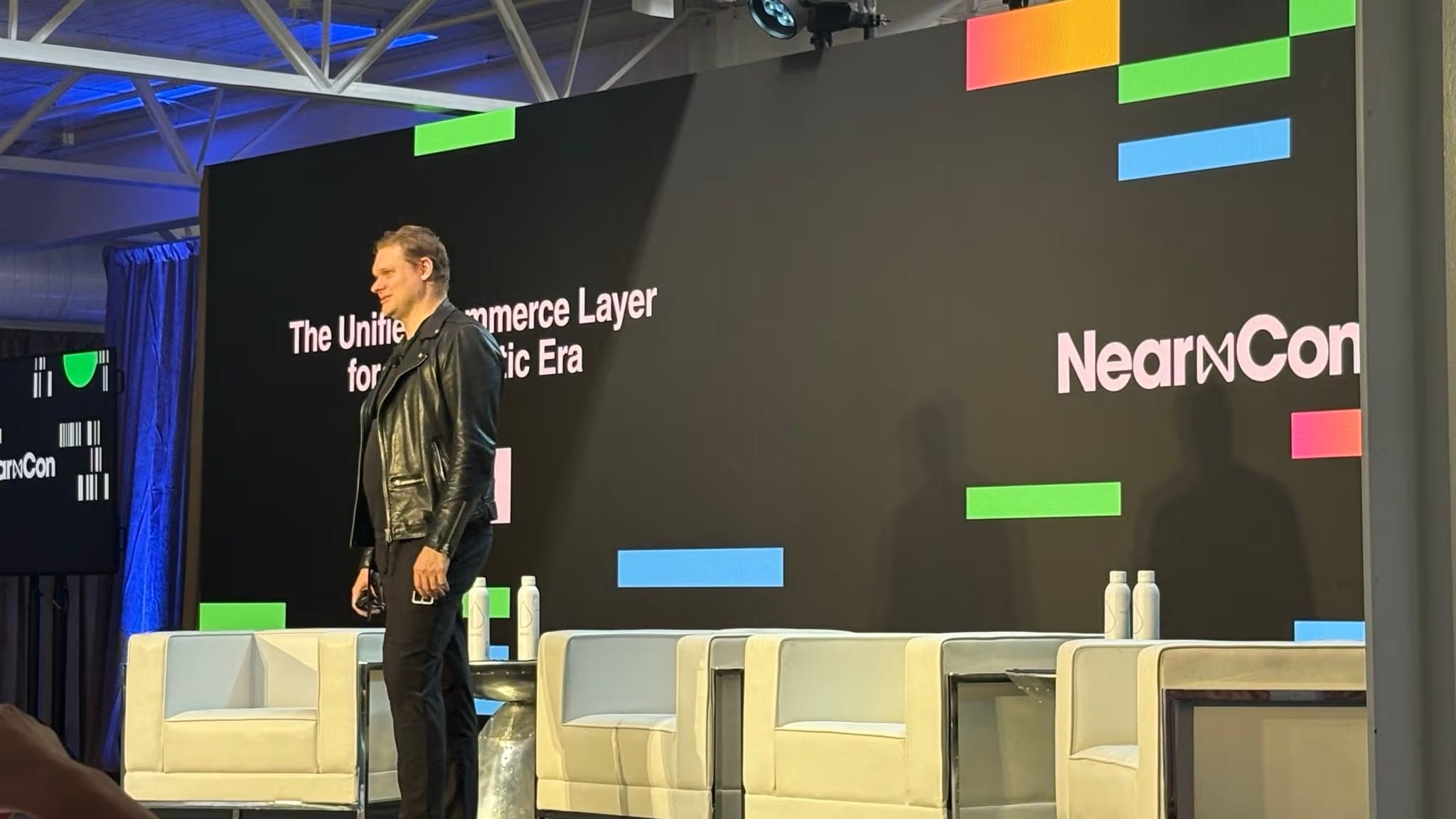
🔗 Polosukhin argues that AI will become the primary interface layer for everything online, including crypto, abstracting away wallets, explorers and transaction hashes. Read
If you haven’t subscribed yet, click here, or use the button below to join hundreds of others learning about the intersection of web3 and education.
🤿 Deep Dive
State Courts Interpret the Meaning of Public Education
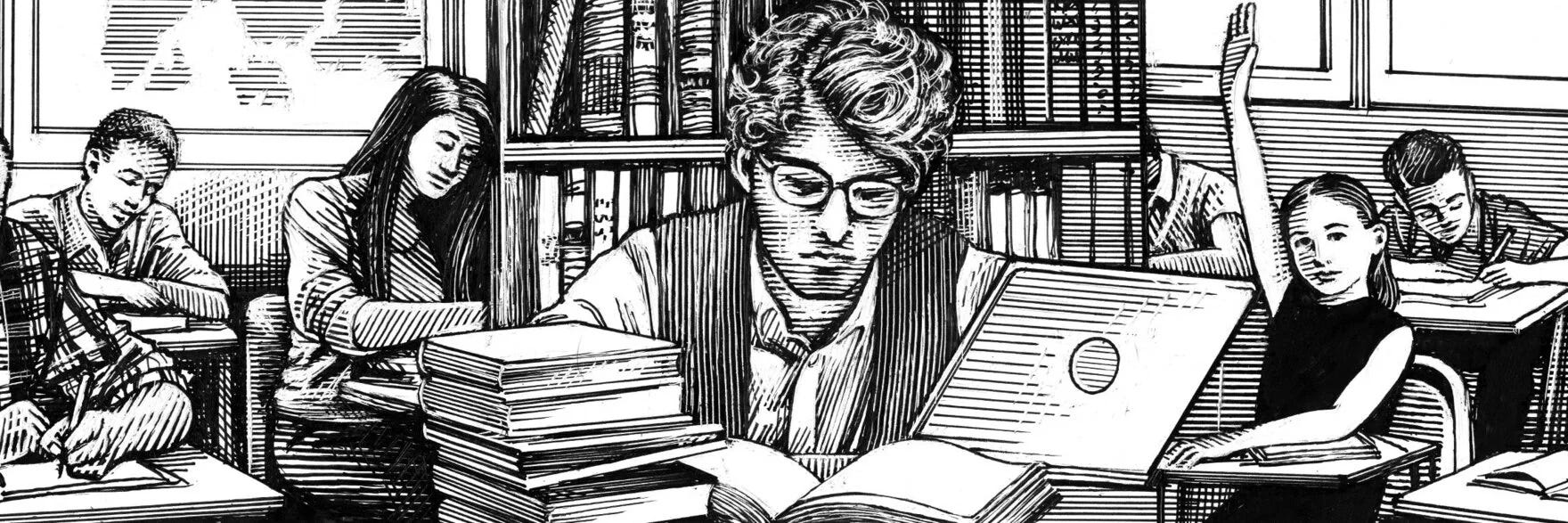
🔗 In a major blow to school choice advocates, the Kentucky Supreme Court recently struck down the state’s charter school law, ruling that public funds cannot be diverted to schools that bypass local district accountability. The courts argued that you can’t dress a “mule” (charter schools) like a “horse” (common schools) and expect the constitution to look the other way.
This highlights a massive tension in our current transition as we build new “verify me” systems on the blockchain. Our legal foundations are still locked into 19th-century definitions of public infrastructure. The key question for me as web3 enthusiast is if the future of learning is sovereign and decentralized, how do we reconcile that with a legal system designed to keep education strictly within a centralized “common” pen? Read
Thank you for stopping by for another issue of my newsletter on emerging technology in education. Link to all my work by checking out my website, or give me a follow on the X platform.
Mahalo Dagan for keeping us informed about technology advances and shifts. Very interesting to read about your “flipped infrastructure” metaphor. I’m wondering how this economic trust will hold up in years to come. Also how trust will be navigated in political scheme.😅